
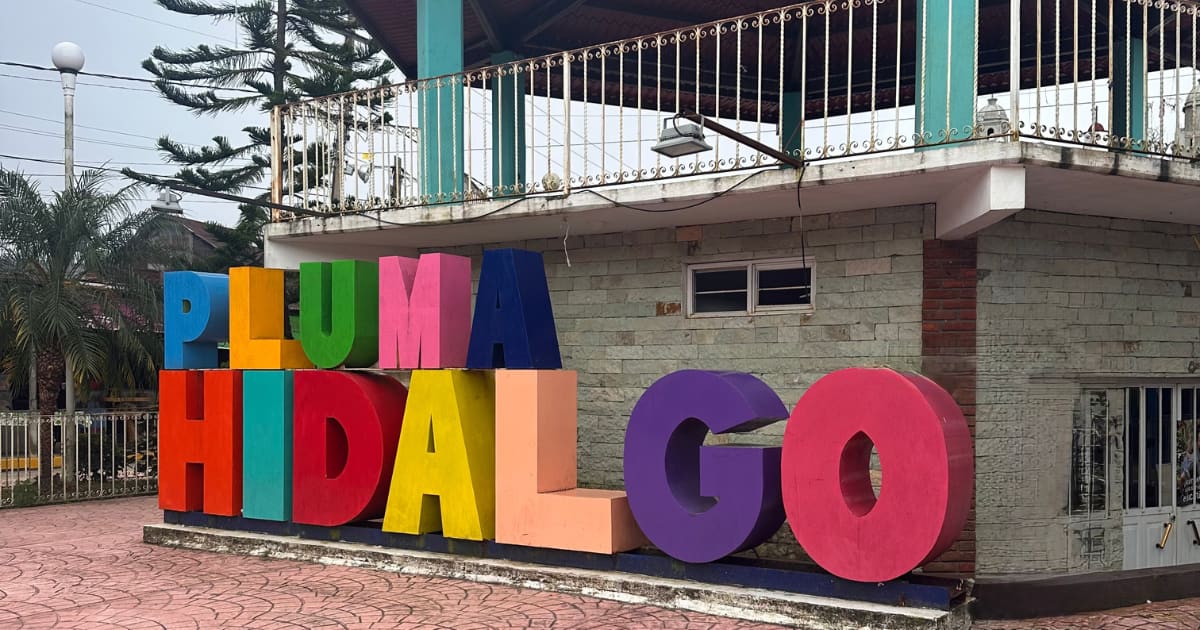
Less than two hours from the coast, where Huatulco's blue sea gives way to cool mists and endless green, there is a town that keeps one of Mexico's best-kept secrets: Pluma Hidalgo. This small mountain municipality, set more than 1,400 meters (about 4,600 feet) above sea level in Oaxaca's Sierra Sur, produces one of the most celebrated specialty coffees in the world. The Coffee Tour in Pluma Hidalgo is not just an excursion; it is a sensory, cultural and human journey that few travelers imagine could exist so close to the sea.
The contrast is part of the magic. In the morning you can wake up to the sound of waves on the Huatulco Bays and, a few hours later, walk among blooming coffee plants wrapped in mist, learn from the farmers who tend each plant with love and tradition, and hold in your hands a red cherry that will travel the world before it ends up in someone's cup. That intimate, authentic, flavor-filled experience is what this one-of-a-kind tour on the Oaxacan Coast offers.
In this article we tell you everything you need to know before setting out: what to expect on the route, what you will learn about how coffee is made, what the mountain landscape feels like, and why this experience belongs on the itinerary of any traveler who visits Huatulco with a genuine curiosity about Oaxaca.
Why Is Pluma Hidalgo Coffee So Special?
Not all coffee is the same. And if you have ever tasted a well-processed high-altitude coffee, you know it. Pluma Hidalgo owes its reputation to an unrepeatable combination of geographic and human factors: altitude, microclimate, volcanic soils, and decades of coffee-growing knowledge passed down from generation to generation.
Oaxaca's Sierra Sur, where Pluma Hidalgo sits, offers ideal conditions for growing Coffea arabica: cool temperatures between 18 and 24 degrees Celsius (about 64 to 75°F), regular rainfall, natural shade from native trees, and soils rich in organic matter. These conditions produce denser beans, which translate into a cup with greater aromatic complexity: fruity and chocolatey notes, gentle acidity and a balanced body.
According to data from the National Institute of Statistics and Geography (INEGI), Oaxaca is one of Mexico's leading coffee-producing states, and the Sierra Sur, home to Pluma Hidalgo, is one of its most productive regions with the greatest potential for specialty coffee. That has drawn the attention of roasters and cuppers from around the world.
But beyond the numbers, what makes Pluma Hidalgo special is the human scale of its production. There are no large corporations here. It is families, small cooperatives and independent growers who know every corner of their plots. The tour connects you directly with them.
What Does the Coffee Tour Include? A Step-by-Step Walkthrough
The Coffee Tour in Pluma Hidalgo from Huatulco is a full-day excursion that combines the scenic adventure of the Sierra Sur with a deep dive into Oaxacan coffee culture. Here is the general structure of the trip:
Departure from Huatulco and the mountain route
The tour departs from Santa Cruz Huatulco or Crucecita, with transportation included. The road climbs the Sierra Sur through landscapes that shift from tropical to temperate: palm trees give way to pines and fog, and the smell of the ocean turns into fresh mountain air. The drive itself is part of the experience, with natural viewpoints and changes in vegetation that catch you by surprise.
Visit to the coffee plantation
Once in Pluma Hidalgo, the group heads into a working coffee farm. A local grower, often the owner of the land, explains the life cycle of the coffee plant: from planting and growth through flowering (known locally as “cacahuananche” in this region) to the harvest of the bean. Depending on the season, you may be able to take part in hand-picking the ripe cherries.
The coffee process: from bean to cup
This is where the tour becomes truly eye-opening. The full processing method is explained and demonstrated: pulping the cherry, wet or dry fermentation depending on the farm's method, drying on raised African beds or concrete patios in the sun, hulling, and grading the beans. Every step has its logic, its name and its effect on the final flavor. Many visitors leave with a completely new understanding of what goes into every cup.
Coffee tasting
The most anticipated finale: a guided tasting of Pluma Hidalgo coffee prepared in different ways, such as French press, drip, or the traditional clay pot. You learn to identify flavor notes, body and acidity. It is an experience that changes the way you drink your morning coffee for good.
Time in town and local food
There is time to explore the town briefly: its colonial church, its markets of local products, and, with a bit of luck, to try typical dishes of the Oaxacan highlands such as hierba santa tamales, tasajo (thinly sliced dried beef) or memelas with black beans. Mountain cuisine has an identity of its own, different from, yet complementary to, that of the coast.
Comparison: Coffee Tour vs. Other Tours from Huatulco
To help you choose the experience that best fits your interests, here is a comparison of several tours available in the region:
| Tour | Type of experience | Setting | Physical activity level | Approximate duration | Best for |
|---|---|---|---|---|---|
| Coffee Tour in Pluma Hidalgo | Agritourism / Cultural | Mountains, highlands, mist | Low–Moderate | Full day | Coffee lovers, culture and nature fans |
| 7 Bays Yacht Tour | Nautical / Marine | Sea, bays, beaches | Low | Half day | Families, couples, sea lovers |
| Magical Waterfalls Tour | Nature / Adventure | Jungle, rivers, waterfalls | Moderate | Full day | Adventurers, nature lovers |
| Ventanilla Ecotour | Ecotourism / Wildlife | Lagoon, mangrove, beach | Low | Half day | Nature and bird lovers |
| Oaxaca and Monte Albán Tour | Cultural / Archaeological | City, archaeological site | Moderate | Full day | History, food, art |
Season, Preparation and Practical Tips
When is the best time for the Coffee Tour?
The Coffee Tour in Pluma Hidalgo can be done almost year-round, but some moments make the experience even richer. The harvest season, between November and February, lets you see the farm in full swing: pickers at work, branches heavy with red cherries, patios full of coffee drying in the sun. Yet during the rainy season (June to October) the mountain landscape is at its most splendid: deep green, waterfalls in the ravines, and mists that give the coffee plantations an almost magical air.
| Month | Highland weather | Coffee stage | Recommended experience |
|---|---|---|---|
| January – February | Cool, dry | End of harvest, drying | High — see the harvest in action |
| March – May | Warm, dry | Flowering and rest | Medium — white blossoms on the coffee plants |
| June – September | Rainy, green | Fruit development | High — lush scenery |
| October – December | Mild, humid | Start of harvest | Very high — red coffee cherry season |
What to bring on the Coffee Tour
- Layered clothing: The highlands can be cool even in the hot season. Bring a light jacket or sweater.
- Comfortable footwear: Sneakers or hiking boots. The terrain on the farm can be uneven and damp.
- Insect repellent: The natural setting calls for protection, especially in the rainy season.
- A camera or a phone with a good camera: The mountain scenery and the details of the coffee process make for extraordinary photos.
- Water and personal snacks: Although the tour usually includes tastings, it is a good idea to bring something extra for the road.
- An open mind and curiosity: Ask questions. The growers enjoy sharing their story and knowledge.
- Cash in Mexican pesos: To buy coffee directly from the grower, plus handicrafts or street snacks in town.
- Sunscreen: Even though the highlands are cool, the altitude intensifies solar radiation.
A Story from the Mountains: Travelers' Voices
“I went thinking I would drink coffee on a pretty farm. I came back a different person. Walking among the coffee plants, watching Doña Esperanza, the grower, stroke each plant as if it were part of her family, understanding that behind every bean there are decades of work… you don't learn that from any book. And the coffee we had at the end, brewed in a clay pot with piloncillo, was the most memorable cup of my life. I came to Huatulco for the beaches and fell in love with the mountains.”
— Mariana R., traveler from Mexico City
Experiences like Mariana's are increasingly common among visitors who venture beyond the bays. Agritourism on the Oaxacan Coast is gaining ground as a responsible and meaningful way to travel, something that bodies such as the Ministry of Environment and Natural Resources (SEMARNAT) actively promote as part of a sustainable development model for rural Mexican communities.
And if the Coffee Tour awakens your desire to explore more of Huatulco's natural and coastal side, you can combine it, on different days, with the Turtle Release Tour, the Sunset City Tour with Tasting, or even a peaceful morning on the water with the Sunrise Kayak Tour.
Coffee as a Bridge: Culture, Land and Community
One of the most transformative aspects of the Coffee Tour in Pluma Hidalgo is what it represents beyond the drink. In this region, coffee is not just a crop: it is the family economy, community identity, and a way of relating to the land that goes back centuries. By taking part in this tour, travelers do not just learn; they also contribute directly to the local economy of a mountain community that relies on responsible tourism to diversify its income.
This vision is in line with the principles of sustainable tourism promoted by the Oaxaca State Ministry of Tourism and Economic Development, which has identified agritourism as one of the activities with the greatest potential for positive impact on rural Oaxacan communities. Every visit to a coffee farm in Pluma Hidalgo is, in that sense, an act of conscious travel.
If you want to go even deeper into the region's cultural wealth, the Cultural Tour to Juquila and the Oaxaca and Monte Albán Tour are complementary experiences that help you understand the cultural and spiritual diversity of this part of the country.
Frequently Asked Questions About the Coffee Tour in Pluma Hidalgo
Does the tour include transportation from Huatulco?
Yes. The Coffee Tour in Pluma Hidalgo includes round-trip transportation from Santa Cruz Huatulco or Crucecita. You don't need your own vehicle or have to worry about the mountain road.
Is the tour suitable for children and older adults?
Generally yes, with a few considerations. The walk around the farm involves uneven terrain, but it does not require intense physical effort. Proper footwear is recommended for everyone. For people with reduced mobility, it is best to check with the tour team beforehand.
Can I buy coffee directly at the farm?
In most cases, yes. One of the best parts of the tour is being able to buy coffee straight from the grower, with no middlemen. We recommend bringing cash in Mexican pesos.
Do I need to know anything about coffee before going?
Absolutely not. The tour is designed for every kind of traveler, from the curious visitor who has never wondered how coffee is made to the most advanced enthusiast. Local guides adapt the explanation to the group's level of knowledge.
How long does the tour last?
It is a full-day tour. The approximate duration, including transfers, the farm visit, tasting and time in town, is usually between 7 and 9 hours.
Can it be combined with other tours during the same Huatulco visit?
Absolutely. This tour takes a full day, so it can be combined with tours of a different nature on other days: bays, waterfalls, ecotourism in Ventanilla, or the trip to Puerto Escondido. Check out the Puerto Escondido Tour from Huatulco as an excellent option to pair with it.
Conclusion: Head Up to the Mountains and Discover Huatulco's Other Face
Huatulco is much more than its turquoise bays. A few kilometers up into the mountains, in the fragrant mist of Pluma Hidalgo, there is a world of flavors, stories and landscapes that few travelers get to know. The Coffee Tour is the perfect invitation to step away from the coastal sun for a day and immerse yourself in the coffee culture that gives an entire community its identity and livelihood. You will return with your senses awake, a new appreciation for your cup of coffee, and perhaps a couple of bags of the best coffee in Oaxaca in your suitcase.
If you are still planning your visit to the Oaxacan Coast and want to make sure you enjoy the destination's most authentic experiences, start here.
Notice: Information may change; confirm schedules, regulations and availability before booking. For legal, environmental or safety matters, consult local authorities or official sources. For any questions or bookings, contact us here.